Behind the music: a blog series exploring each piece on Look How Brightly
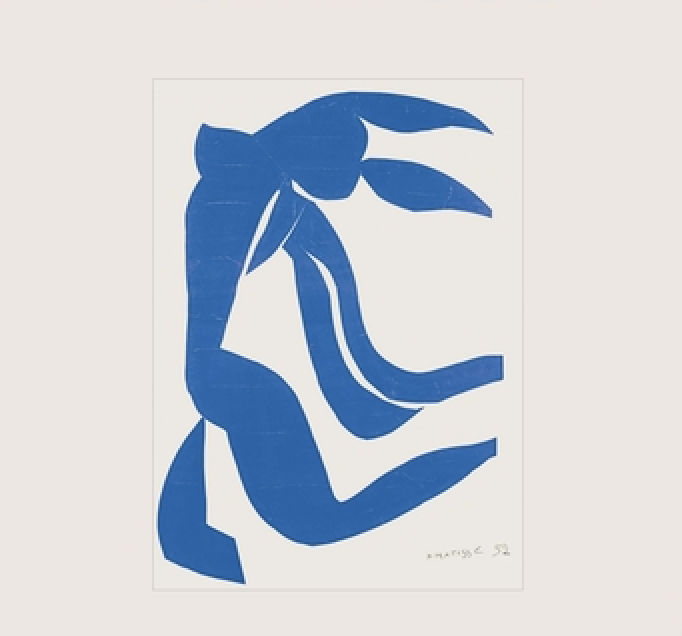
Behind the music: “The Body Keeps the Score”
Composing this piece helped me let go of my fear of simplicity and repetition. It allowed me to write in a way that feels instinctive and true to the material, pared back, meditative, and searching.
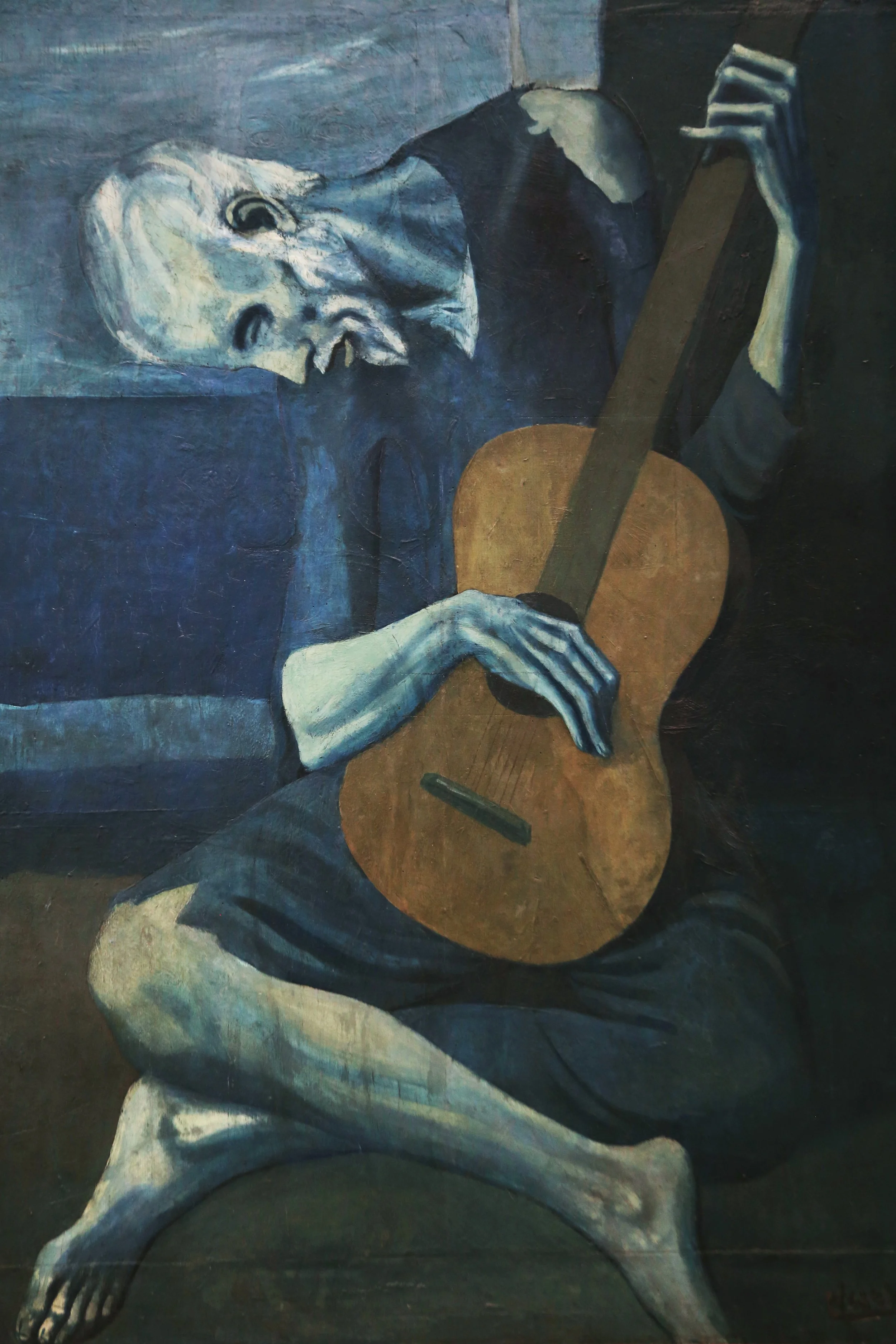
Behind the music: “Dirges for the Living”
Could music provide a way not only to mourn the dead, but to give form to the grief we continue to face in daily life? That became the piece’s central question.
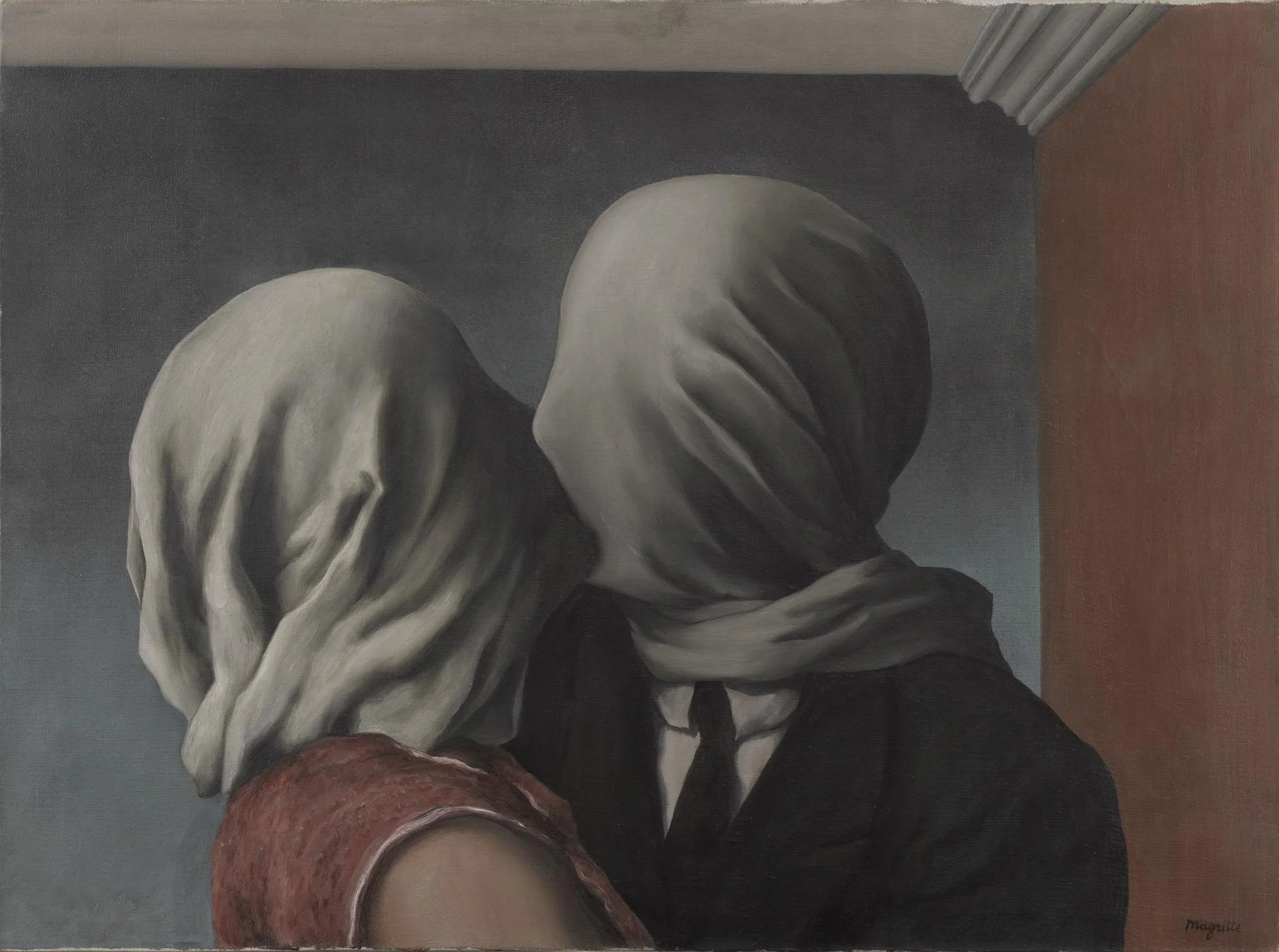
Behind the music: “One is Fun”
Ultimately, One is Fun is a duet about the paradox of being entwined: how closeness can both nurture and consume, and how the act of separating can be a life’s work.

Behind the music: “Fragment”
At the heart of Fragment is the idea of loss and retrieval. I was inspired by the psychological concept sometimes called “soul retrieval,” the belief that when we experience trauma or profound challenge, a part of the self may splinter or detach as a means of survival.

Behind the music: “Scapegoat”
The rhythm of blame tightens, drives forward. If catharsis comes, it is ambiguous. Has something been lifted, or merely displaced? Is the ritual cleansing, or does it expose an unease we would rather deny?

Behind the music: “I Love You, My Darkness” & “Release me”
Both of these songs were written for contralto Jess Dandy, a musician who has been central to my creative life for many years. She has a voice that feels timeless and approaches music with an honesty and depth that constantly remind me why I write music.
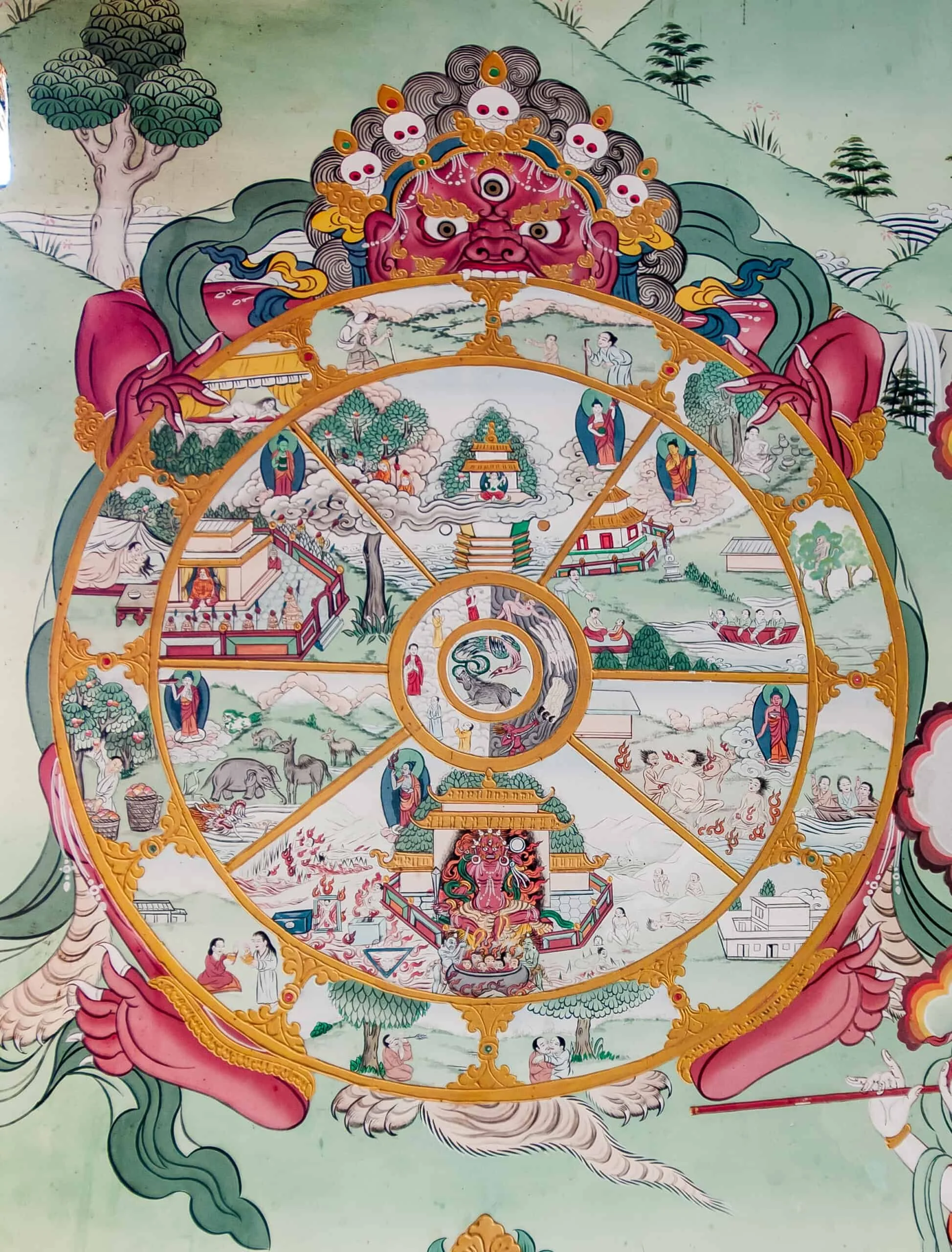
Behind the music: “BARDO”
BARDO stands at the intersection of many threads in my work: unison and canon, single lines in counterpoint, breath-based pacing, and an ongoing interest in the role of ritual in music. It draws on spiritual practices, not to replicate them but to acknowledge their insight and to ask what a musical work can offer when it too becomes a tool for listening and transformation.
Behind the music: “Strings Attached”
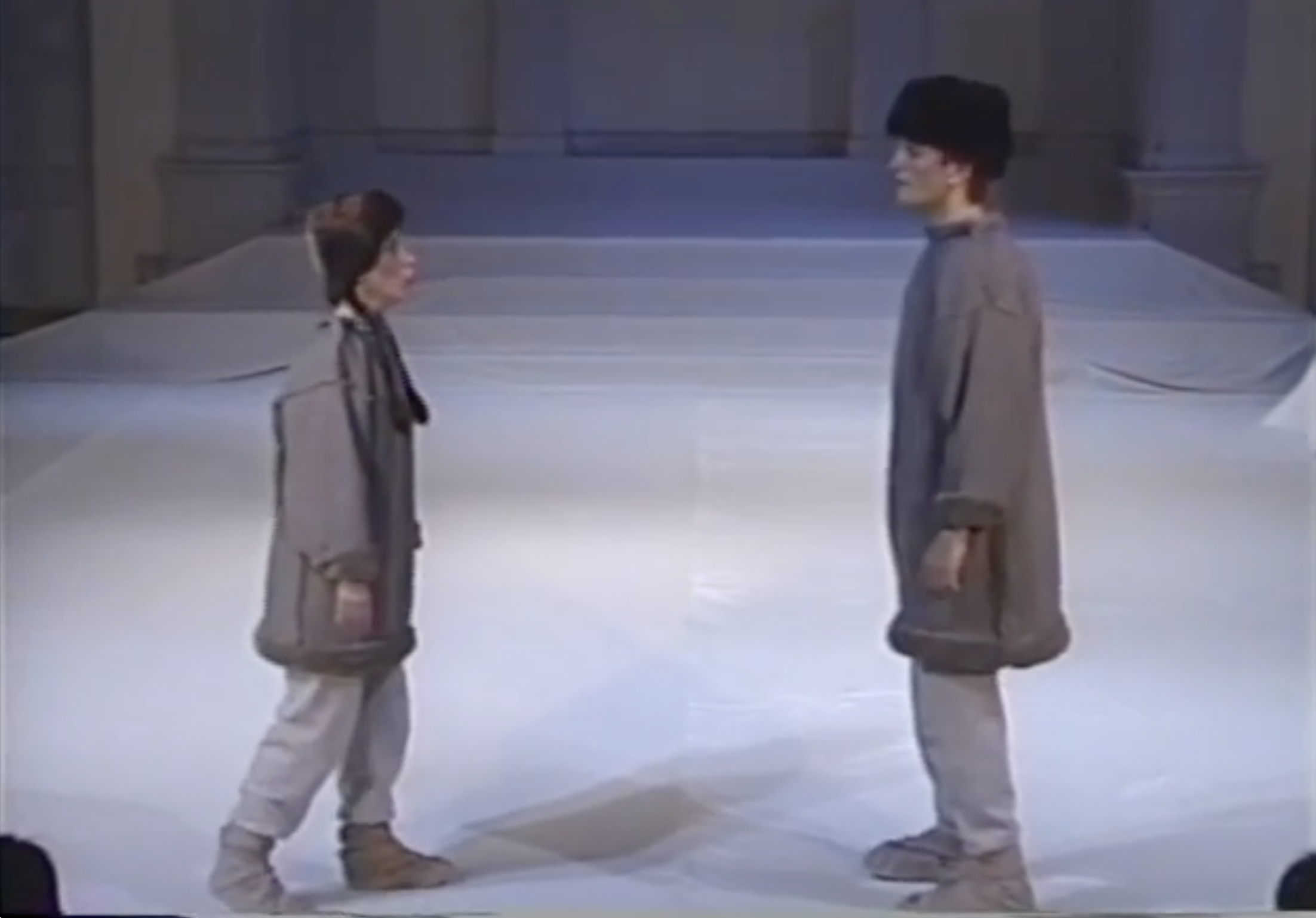
The piece is a small ritual of togetherness that asks for extraordinary sensitivity from its performers. The virtuosity lies not in speed or complexity, but in the precision, care, and empathy required to sustain such fragile simplicity.
Behind the music: “Look How Brightly the Universe Shines!”
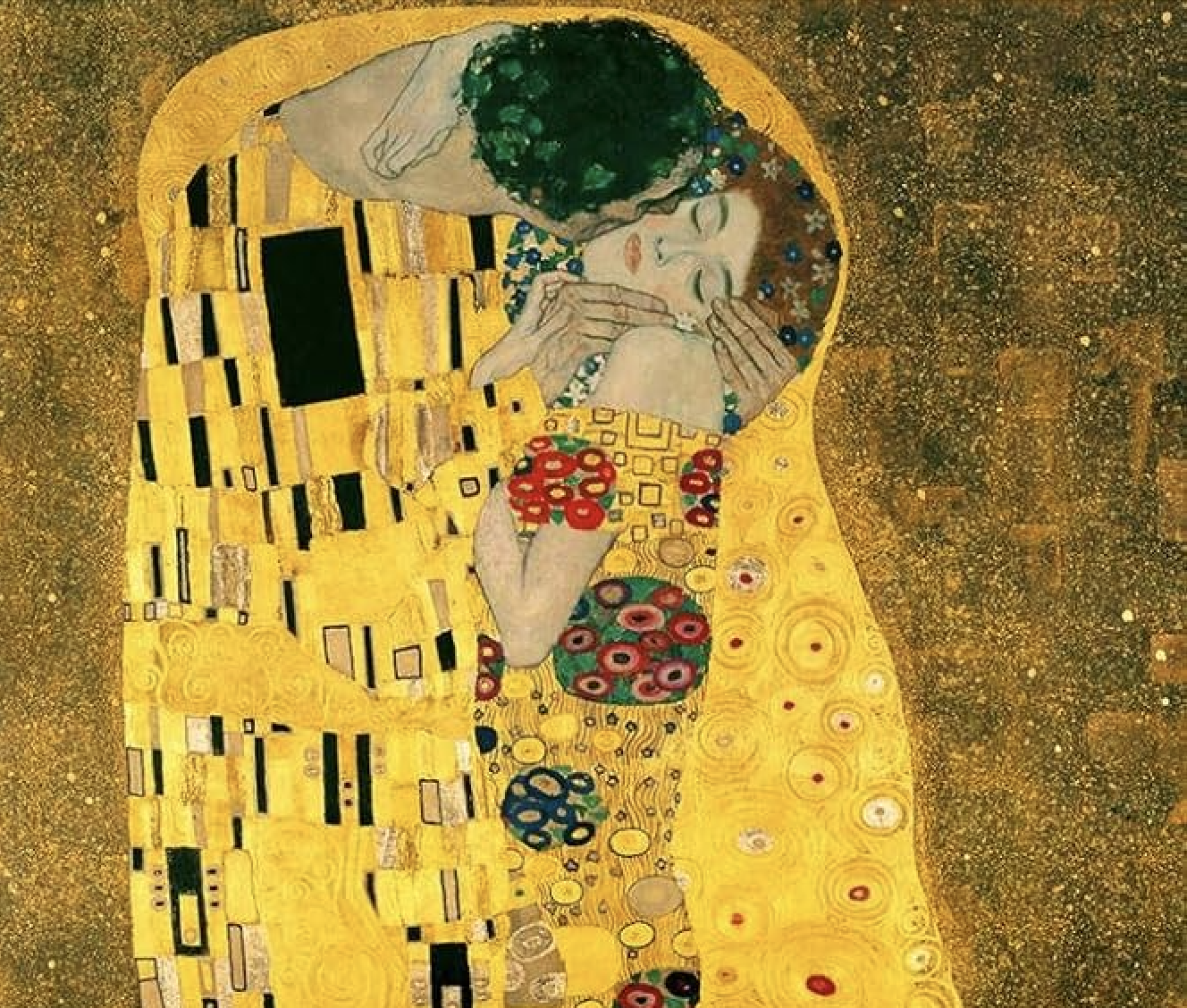
Solo lines and unison passages drive forward before splintering into new textures and colours. The music yearns to find coherence again, sometimes succeeding, sometimes collapsing into vivid, exuberant chaos.